
Mark T.'s ATM Heist: A 72-Hour Capture Explained
This is a cautionary tale about a criminal's rapid downfall. It highlights the effectiveness of banking security systems and the consequences of cybercrime.
- Posted:
- Updated: Oct 10, 2026
- By: Alex Mercer
- 6 minutes
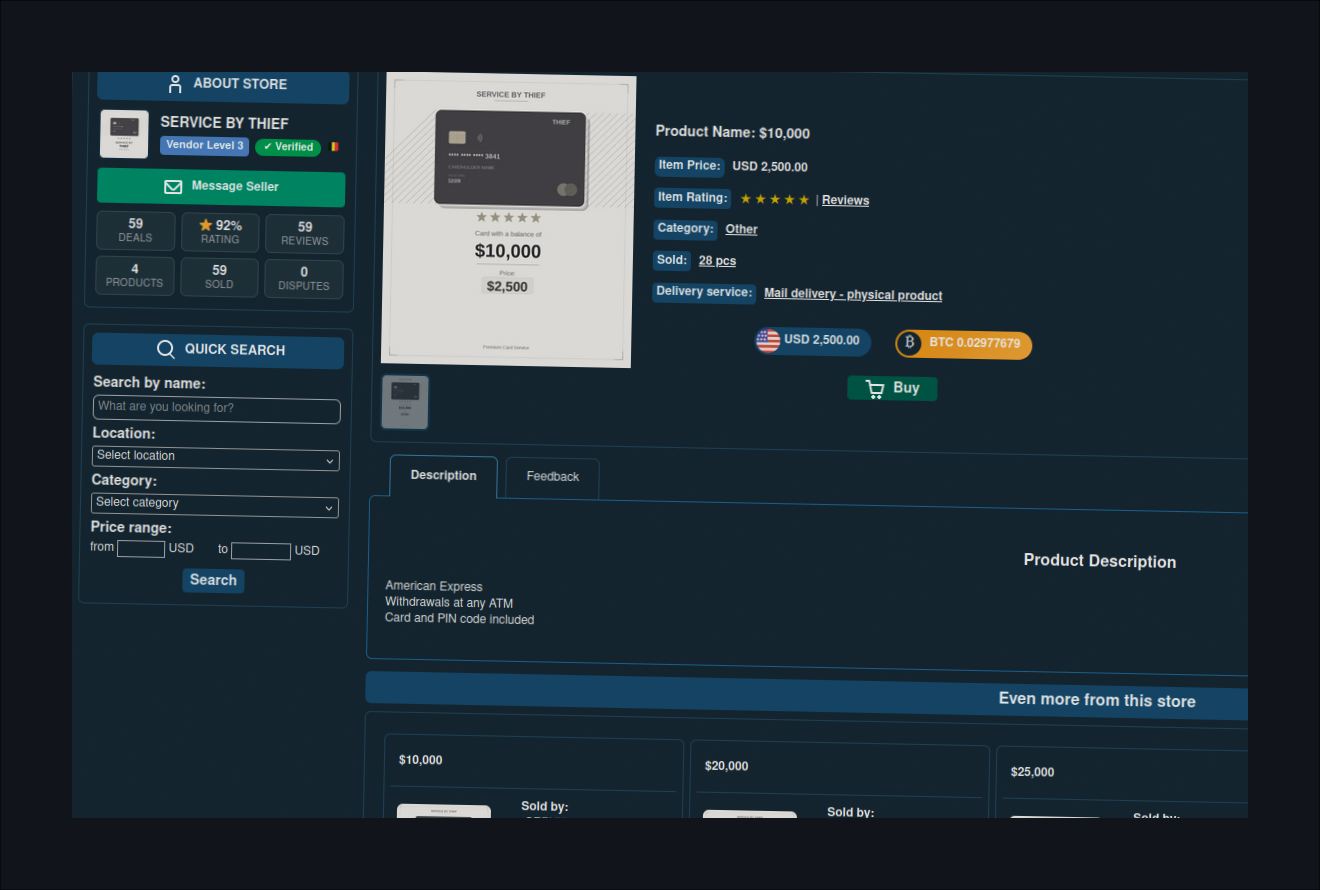
In 2024, a 34-year-old individual, Mark T., living in Tampa Bay, Florida, tried to find an easy method to make money. He invested $480 in cryptocurrency to purchase six fake debit cards from a darknet site. These cards, which contained illicit account details, enabled him to withdraw $4,200 across three ATMs. However, his activities ceased at a fourth machine, leading to his arrest shortly thereafter. This case illustrates the rapid response by authorities and highlights how advanced surveillance tools can effectively track and apprehend criminals.
1. Understanding Carding: The Process Revealed
Carding is the unauthorized use and distribution of stolen banking information. We can outline the steps that Mark undertook during this illegal activity:
- Data Collection: Criminals obtain magnetic tracks from ATMs by utilizing skimmers or through hacking, phishing, or buying data dumps from dark web marketplaces.
- Card Fabrication: The compromised information is transferred to blank cards, making them appear as if they are legitimate.
- Accessing PINs: If the PIN is obtained through devices or surveillance, the buyer is equipped to make withdrawals.
- Cash Withdrawal: The individual withdraws cash from ATMs before the legitimate cardholders can recognize the fraud and cancel their cards.
- Concealing Funds: The withdrawn cash is often exchanged for cryptocurrency, making it difficult to trace back to the original theft.
Mark chose to use Monero for acquiring the fake cards, due to its anonymity features. These cards were delivered in a covert manner, suggesting a successful deal. However, we must remember that ATMs also function as evidence-gathering systems, a detail that Mark failed to consider.
2. The Role of ATM Cameras in Crime Prevention
Modern ATMs do more than dispense cash. They incorporate advanced surveillance technologies. Here are some essential components:
- Built-In Camera: A camera with 1080p resolution records the user's face, often featuring night vision.
- Additional Camera: Numerous ATMs include a concealed camera to enhance coverage from various angles.
- Withdrawal Documentation: Each transaction is carefully recorded with specific details: time, amount, card number, and transaction status.
- Location Tracking: ATMs send their precise geographic coordinates to banking systems.
- Communication Logs: All requests made to the bank's processor are documented.
During his last cash withdrawal, Mark encountered a strategically placed camera that clearly recorded his image. This footage served as crucial evidence; without any disguises, it allowed law enforcement to see him plainly, indicating that digital anonymity does not guarantee physical obscurity.
3. Chronology of the Investigation
The investigation proceeded rapidly after the detection of the illicit transactions. Here’s a concise outline of the key incidents:
Day 1 (November 2024): Three individuals from Florida, Georgia, and North Carolina reported unauthorized withdrawals. Consequently, their banks promptly blocked the affected cards and initiated further investigations. Day 3: A pattern of rapid cash withdrawals using cloned cards across various states was identified by the banks. This concerning trend prompted an emergency alert and a formal investigation by law enforcement. Day 5: Federal agencies specializing in financial crimes took over the case. They began to scrutinize ATM logs and review surveillance footage from the relevant locations. Day 8: Surveillance footage from an ATM captured a suspect, Mark, whose identity was confirmed via his driver’s license. The locations of the transactions were traced back to his local area. Day 12: Investigators obtained a warrant to examine Mark's digital activities. This review unveiled his online transactions and cryptocurrency wallet, revealing links to the darknet. Day 14: During the execution of the search warrant, investigators discovered crucial evidence at Mark’s residence, such as cloned cards and devices for card manipulation. Day 15: Mark was taken into custody and admitted to using four of the six cloned cards for cash withdrawals.
4. Examining the Numbers Involved
Below is a concise breakdown of the data concerning Mark's case:
| Activity Type | Sum Extracted | Outlay for Cards | Days to Capture | Prison Term | Legal Fines | Probation Term |
|---|---|---|---|---|---|---|
| 4 cashouts | $4,900 | $480 | 15 | 5 years | $22,000 | 3 years |
These statistics shed light on the outcomes of Mark's actions and the significant legal repercussions he faced after his apprehension.
5. The Failure of Crypto Security
Mark utilized Monero, a cryptocurrency designed for anonymity, to fund his card purchases. Yet, the investigation found its weaknesses:
- Centralized Exchange Usage: Mark acquired Monero through a platform requiring KYC verification, linking his identity to the transaction.
- Timeframe Coincidence: The timing of his Monero purchase, card acquisition, and ATM withdrawals provided incriminating circumstantial evidence.
- Physical Evidence: Law enforcement discovered cards containing magnetic data matching stolen information, solidifying their case.
- Video Footage: The unalterable nature of video evidence captured Mark at the crime scene, making it irrefutable in court.
6. Analyzing Mark’s Mistakes
Mark made several crucial errors that ultimately led to his apprehension:
- Geographic Oversight: All ATM transactions occurred in a 40-mile range of his home, triggering alerts in fraud detection systems.
- Identity Exposure: He took no steps to conceal his identity, facilitating quick identification by law enforcement.
- Centralized Exchange Use: His decision to purchase Monero from a centralized exchange directly connected his true identity to those cryptocurrency transactions.
- Evidence at Home: Authorities found incriminating materials during a search, including cards and devices.
- Cash Correlation: The cash seized matched the ATM withdrawal records, strengthening the overall case against him.
- Rapid Withdrawals: He conducted all transactions swiftly, increasing the chances of detection by fraud monitoring systems.
These mistakes illustrate how quickly a fraudulent scheme can unravel when basic security measures are in place.
7. Key Takeaways for Cybersecurity Practitioners
Mark's situation highlights how effective our security protocols can be. We can draw several important conclusions from this:
- Fraud Prevention Systems: These tools are indispensable for our defense strategy, necessitating ongoing development and enhancement.
- Forensic Integration: Merging physical and digital evidence strengthens our investigative capabilities. For instance, combining video footage from ATMs with transaction records is crucial for building accurate timelines.
- Cryptocurrency Risks: Even cryptocurrencies marketed as anonymous can be linked to users via KYC processes at exchanges.
- Customer Education: Raising awareness about fraud among clients encourages quicker reporting, which can significantly mitigate financial losses.
8. The Legal Consequences for Mark T.
In March 2025, Mark T. admitted guilt regarding charges of fraud and associated actions linked to access devices, as well as money laundering. The court sentenced him to a federal prison term of 60 months along with a $22,000 fine and required restitution to his victims. The judge noted that although Mark was not the key figure in this operation, he still faced significant repercussions for his involvement. This situation illustrates the difficulties that law enforcement encounters when attempting to track down the main perpetrators while dealing with lower-level offenders.
Final Thoughts on a Cautionary Tale
Mark T.'s story underscores the efficacy of financial crime detection systems and the processes involved in apprehending offenders. His case illustrates that while cybercriminals may think they can evade justice through anonymity, technological advancements in surveillance and investigative techniques will often prevail. As the world of cybercrime evolves, so too must our strategies for preventing and combating these illicit activities.
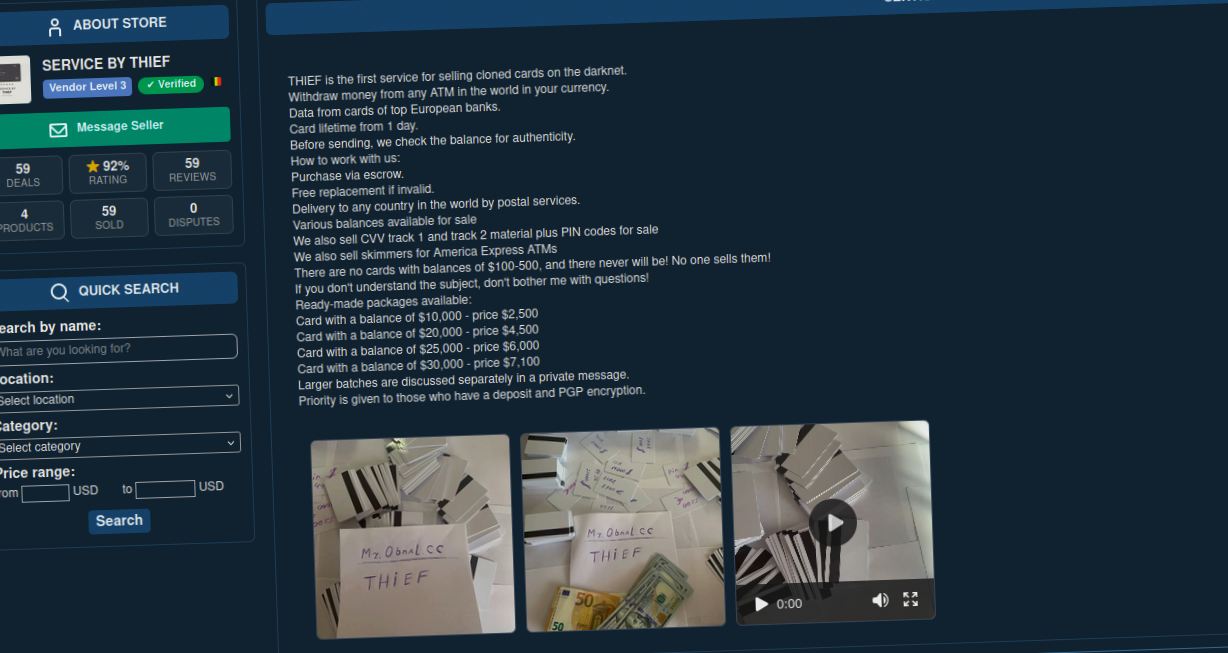
Mark purchased the cloned cards from a darknet marketplace, illustrating the risks associated with these transactions.
Common questions
What is carding?
Carding is the process of using stolen banking information to make unauthorized purchases or withdrawals.
How do ATMs collect evidence?
Modern ATMs are equipped with cameras and transaction logs that help capture crucial evidence during unauthorized transactions.
What vulnerabilities did Mark overlook?
Mark underestimated the surveillance capabilities of ATMs and failed to disguise his identity during withdrawals.
Why is cryptocurrency not a guarantee of anonymity?
Cryptocurrencies can still be traced back to users through KYC requirements at exchanges, negating complete anonymity.